





FDI Faculty Scholars, Fellows and Student Ambassadors
KU FDI Faculty Scholars
Kutztown University is committed to enhancing and nurturing faculty excellence and supporting the needs of the diverse student body. To that end, Kutztown’s Frederick Douglass Institute Tenure-Track Faculty Scholars Program works to attract and retain faculty from historically under-represented groups.
The FDI Tenure-Track Scholars Program is a cohort-hiring practice that provides teaching and other professional experiences, mentoring, and employment within the academic departments of KU that are in need of qualified faculty committed to cultural and academic diversity.
Applicants from diverse cultural backgrounds are considered for the program. The program provides tenure-track teaching opportunities to scholars who have earned doctoral degrees, or are in ABD status, foster their growth and mentorship within Kutztown’s faculty, and supports KU’s commitment to diversity.
FDI Tenure-Track Faculty Scholars participate in the development of programs, workshops, and activities supported by the Office of the Provost and organized through collaborations between the FDI and the Center for the Enhancement of Teaching. In recognition of this work, FDI scholars will receive a course release in the spring semester during years one and two of their appointment.
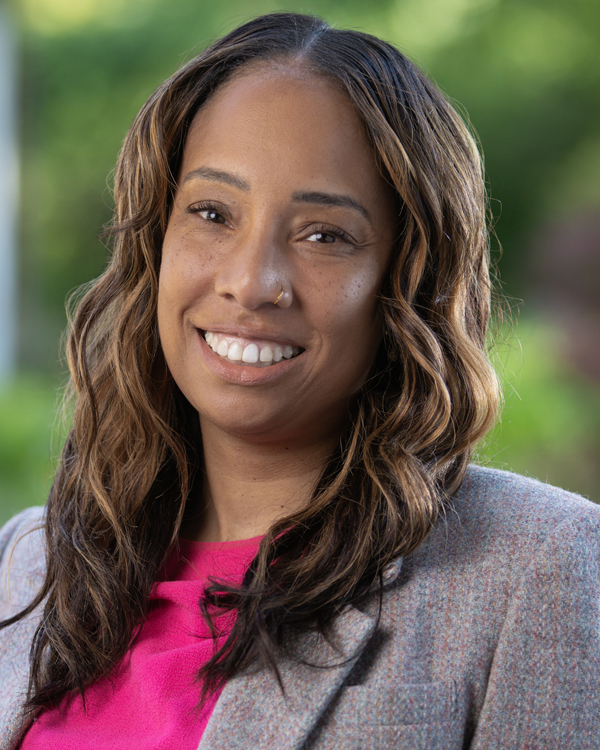
Dr. Amber Jean-Marie Pabon is an educator, researcher, and higher education leader whose work focuses on creating the conditions that enable students and educators—particularly those historically underserved by educational institutions—to enter, persist, develop, and thrive. An Associate Professor of Secondary Education and Director of the Frederick Douglass Institute at Kutztown University, she brings more than two decades of experience spanning K–12 education, teacher and doctoral education, student and faculty mentoring, applied research, and institutional leadership.
Pabon began her career as a secondary English teacher in New York City and later served as a literacy staff developer, experiences that continue to ground her commitment to developing educators and strengthening the institutions in which they learn and work. She earned her Ph.D. in Urban Education from the CUNY Graduate Center before joining the faculty at the University of Pittsburgh and later Kutztown University of Pennsylvania. Across her higher education career, she has taught and mentored undergraduate, graduate, and doctoral students, with particular attention to developing their capacities as writers, researchers, critical thinkers, and educational leaders.
As Director of Kutztown University's Frederick Douglass Institute, Pabon has led the expansion of the Institute's infrastructure, resources, programming, research opportunities, and campus partnerships while advancing efforts to recruit, mentor, and retain students and faculty of color. Her broader leadership includes statewide work with the Pennsylvania Educator Diversity Consortium (PEDC) in culturally responsive and sustaining education, faculty development, educator diversity, and institutional change, as well as service as an editor for Urban Education and in leadership roles within the American Educational Research Association (AERA) and PEDC.
Pabon's scholarship examines Black educators' experiences, culturally responsive and sustaining education, critical pedagogy, and the institutional conditions that shape educational belonging and opportunity. Her recent work includes “Swimming in Rip Tides: A critical race feminist examination of resistance to culturally responsive and sustaining education in teacher education” in Transformative Teacher Education: Disrupting Pedagogy, Practice, and Ideology to Forge Culturally Relevant and Sustaining Education and the co-edited volume Black Women Mothering and Daughtering in a Dual Pandemic: Writing Our Backs. Her scholarship has appeared in The Journal of Negro Education, Urban Education, The Urban Review, Race Ethnicity and Education, Equity & Excellence in Education, and Educational Studies, among other publications.
Across her teaching, scholarship, and leadership, Pabon's work is connected by a sustained commitment to mentorship as an institutional practice: creating rigorous, affirming structures through which students and educators can deepen their intellectual and professional identities, remain engaged through challenging transitions, and develop the knowledge and agency to transform the educational contexts they inhabit.
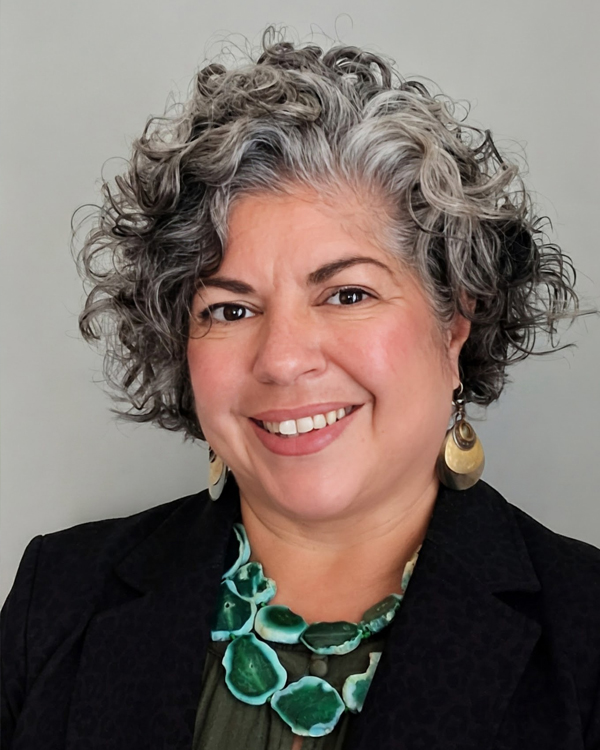
Dra. Leslie C. Sotomayor II (she/her/ella) is an Assistant Professor of Art Education at Kutztown University and a Frederick Douglass Institute Scholar. She is a first-generation bilingual Puerto Rican and Cuban scholar, artist, curator, writer, and educator whose work centers Latine and Chicanx ways of knowing, feminist and decolonial pedagogies, disability justice, culturally responsive-sustaining education, and creative practice as a site of healing, meaning-making, and transformation. Leslie earned a dual-title Ph.D. in Art Education and Women's, Gender, and Sexuality Studies from The Pennsylvania State University.
Her teaching and scholarship explore accessibility, inclusion, community engagement, identity, testimony, and the intersections of art, culture, and social justice. She is actively involved in the National Art Education Association, currently serving as Chair of the Research Commission, and works collaboratively on initiatives that support scholarship, mentorship, and community building in the field. In addition to her academic work, Leslie is a curator, artist, and co-host of the podcast WTF: The Other F Word, which explores feminism, creative practice, care, community, and decolonial thought.
This year I am teaching courses in art education that focus on disability studies, accessibility, inclusion, adaptive arts, and equitable teaching practices. I am also continuing my research and community-engaged projects related to disability justice, culturally responsive-sustaining education, feminist pedagogy, and creative practice.
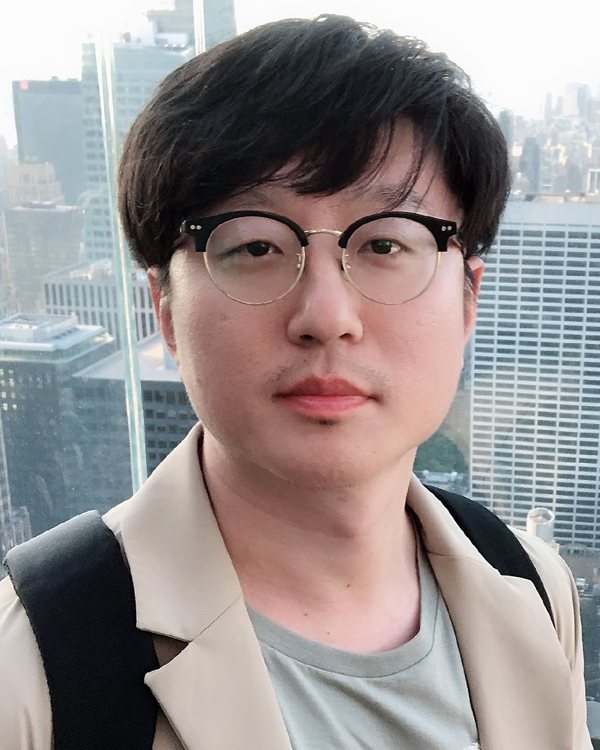
Dr. SungEun Min is an Assistant Professor in the Department of Elementary, Middle Level, Library, and Technologies Education at Kutztown University and a Frederick Douglass Institute Scholar. His scholarship examines the intersections of race, culture, and education, with particular attention to Asian and Asian American experiences in transnational and educational contexts.
His current research focuses on two interconnected areas. First, drawing on Asian Critical Race Theory (AsianCrit), postcolonial and transnational perspectives, he examines the racialized experiences of Asian Americans and investigates Hallyu (Korean Wave) as a cultural and postcolonial phenomenon, with particular attention to racism, identity, belonging, and representations of Asia in digital and cultural spaces. Second, he investigates generative AI and culturally and linguistically responsive education, examining how emerging technologies can support more culturally relevant, inclusive, and responsive teaching and learning. His recent scholarship includes peer-reviewed publications and a book chapter addressing text-to-video AI for culturally and linguistically responsive teaching, human-AI collaboration in qualitative research, and Korean teacher identity.
Through his scholarship and teaching, Dr. Min seeks to challenge racial and cultural stereotypes, broaden whose experiences and knowledge are represented in education, and explore how education can contribute to more equitable and socially just communities.
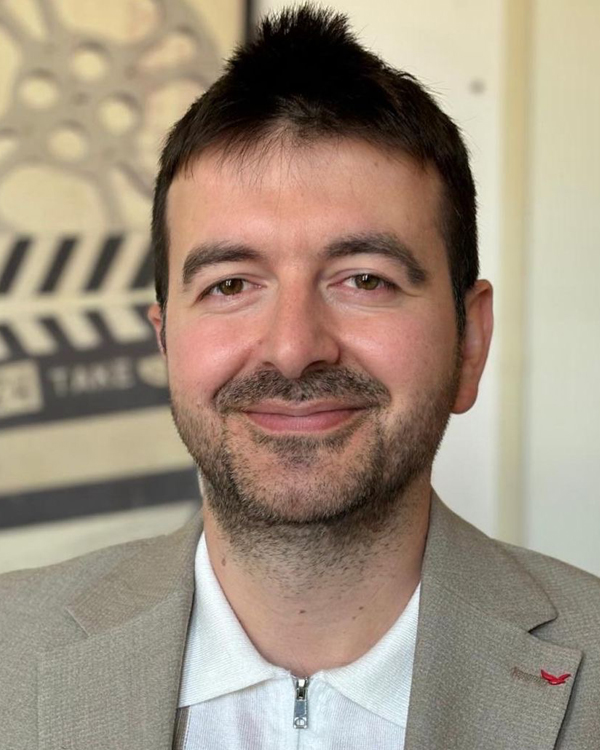
Ali Akarcesme is an assistant professor and FDI faculty scholar in the College of Visual and Performing Arts. Akarcesme is a filmmaker and educator whose work bridges theory and practice in the world of cinema and television. Since 2016, he has taught a wide range of courses in film and television production, history, and theory. His teaching emphasizes connecting industry-standard practices with critical media analysis.
Before entering academia, Akarcesme worked as a TV Producer for a production house providing non-fiction programming for RCN Cable. His professional background includes directing and producing a diverse array of projects, from socially conscious television documentaries to award-winning short narrative films. His short film Departures earned him Best Drama and Best Director awards on New York’s prestigious film festival circuit.
His creative work often explores real-world personal and social issues—ranging from immigrant and minority rights to family dynamics and the stories of underrepresented communities. Akarcesme remains active in the film and television industry, bringing contemporary production techniques into the classroom to help students navigate and contribute to today’s media landscape.
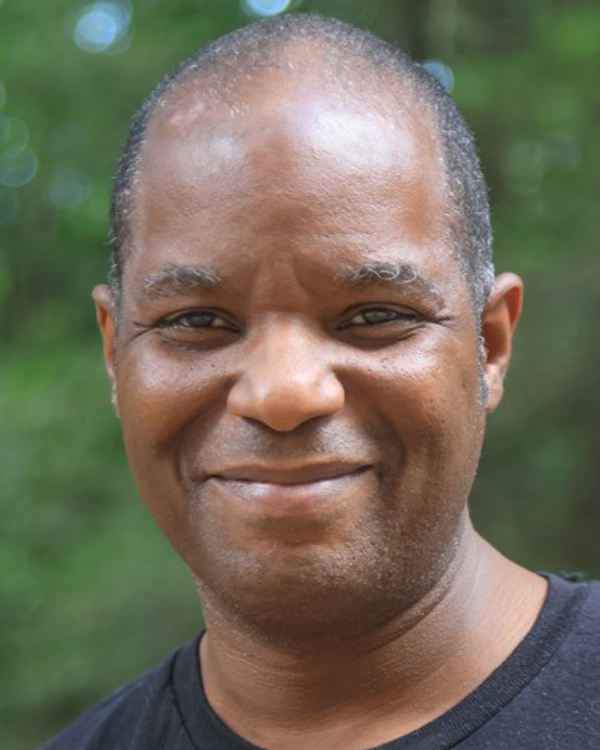
Anthony Smith Jr. is an assistant professor and FDI faculty scholar in the College of Visual and Performing Arts. Smith is a visual artist whose work moves between drawing, collage, painting, and sculptural constructions rooted in paper. Using found materials, patterns, and repeated mark making, his work explores memory, place, and the ways personal and cultural histories are carried through material. Recent series including Troping the Colors, August, and Sight Beyond Sight expand these concerns into large scale paper quilts and wall reliefs that hover between image, object, and architecture.
Smith received a BA in Fine Arts from Amherst College and an MFA in Painting from the University of Michigan. His work has been exhibited nationally at the David C. Driskell Center, Philadelphia Magic Gardens, and the N'Namdi Center for Contemporary Art, and reviewed in The New York Times, The Boston Globe, The Wall Street Journal, and Artist’s Magazine. He has attended residencies including MacDowell, CAORC-WARC Senegal, and Kolaj Institute residencies in Scotland and New Orleans. Smith is Assistant Professor of Studio Art at Kutztown University of Pennsylvania.
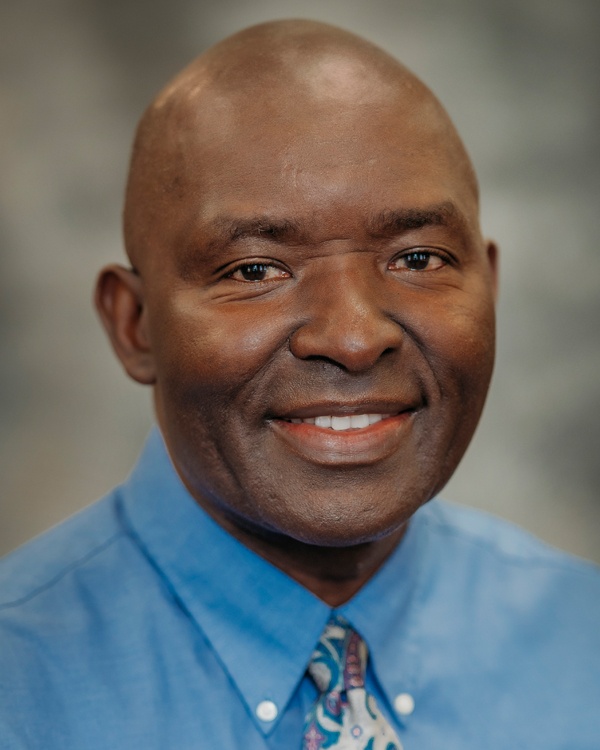
Dr. Donato Fhunsu is an Assistant Professor of English and a Frederick Douglass Institute Faculty Scholar. He studies African American Literature in its global dimensions and in its multifaceted relations to the broader African Diasporic Literature and Culture. A comparatist by training, his approach to literature is comparative, transnational, and multilingual. Informed by the Kongo-Africana wisdom epistemology, phenomenology, ethics, and intellectual tradition of bumuntu, he is particularly interested in exploring how the stories of the Global African Diaspora help us reimagine and rethink the various articulations of human identity we have come to take for granted.
In order to fully understand the Africana lived experience and to tell the Africana stories in their fullness in the context of the broader human experience, Dr. Fhunsu does scholarly writing, translation, and creative writing.
His current research focuses on the sense of intellectual urgency emerging through the concept of Afrotopia, the realization across the African Diaspora that imperialist-colonialist thought having dangerously failed Humanity, pan-Africanist thought, as “the elder sister” of Humanity, needs to boldly step in, “re-inhabit” the Planet with a new, decolonial, ethical imagination that is pan-humanist in scope and helps Humanity transcend the obsession and compulsion of the imperialist-colonialist ethos. In other words, an exploration of how, as Humanity, we may respond to the call to psychological maturity inviting us to wisely meet the challenges of the 21st century.
Embodying the Africana joy of teaching, Dr. Fhunsu joyfully translates these ideas into the classroom. His classes are spaces of fearless imagining, thinking, feeling, and languaging. In the works of African American and broader African Diasporic literatures that he and his students read, ponder, discuss, and write about, the fundamental commitment is to exploring the power of the radical imagination of Africana bumuntu to expand our consciousness, stretch our minds, sensitize our hearts, and revolutionize our social actions. Even though the task of working with human consciousnesses, minds, and hearts is difficult, Dr. Fhunsu is encouraged by his experience that a consciousness expanded by a new spark of Life, a mind stretched by a new idea, and a heart touched by a new sensitivity never return to their original narrow or exclusive dimensions. This is what he sees as the perennial hope of transformative, revolutionary education.
PASSHE FDI Fellows
The State System seeks to foster an innovative curriculum and instructional environment. The State System is committed to the recruitment, retention and professional development of a diverse faculty. As such, the State System is focused on advancing the hiring and success of underrepresented minorities, a commitment that is reflected in the Board of Governors five strategic priorities.
The State System offers teaching fellowships to graduate students pursuing careers as university faculty and entering the final year of terminal degree and/or doctoral programs.
Frederick Douglass Teaching Scholars Fellowships are designed to provide teaching and other professional experiences, mentoring, and potential tenure track employment opportunities within universities strongly committed to cultural diversity. Applicants from diverse cultural backgrounds, especially those from historically underrepresented groups, are encouraged to apply.
FDI Student Scholars
- Shavon Smith
- Laquan Drago
- Maia Bondonese
- Mark- Handy Phanor
- Damaiya Turner
- Sienna Sky, Graduate Assistant
- Aaliyah Nelson, Undergrad Student, Staff
Several studies point to the positive benefits of a diverse student body regarding educational outcomes. In other words, all students learn better when the student body is diverse. Pennsylvania is becoming more diverse, and we must support our commonwealth citizens, regardless of their means or backgrounds. This critical support will ensure that our students graduate and serve their neighbors in our communities. Our graduates are leaders. They become professionals who serve in various capacities as innovative, compassionate problem solvers.
As an FDI student scholar, you are committed to becoming the best version of yourself. It means recognizing that we have a lifetime to continue learning and serving our neighbors. An FDI student scholar commits to the ideals of curiosity, service, learning, and courage.
One flagship program is the Douglass Debate Society. This program engages first-generation, low-income, and students of color in high-impact educational opportunities. Through competitive debate, undergraduates across the State System will develop leadership, public speaking, and advocacy skills that are cornerstones of success.
Students can apply to be an FDI student scholar by contacting the Frederick Douglass Institute Director, Dr. Amber Pabon @fdouglass@kutztown.edu.