





Neurodiversity Awareness and Training
KU’s Title III initiative aims to reduce barriers for students with disabilities by providing expanded and targeted training for faculty and staff who work with neurodiverse students to better understand and accommodate their learning needs and support their strengths. With the significant increase in the number of KU students needing accommodations and those on the autism spectrum, and the limited capacity to provide intensive support for every student who may benefit from targeted programming, increasing faculty readiness to teach neurodiverse students is a priority. Improving faculty skills in this area will also support neurodiverse students’ access to high-impact practice experiences to ultimately support their retention and academic success.
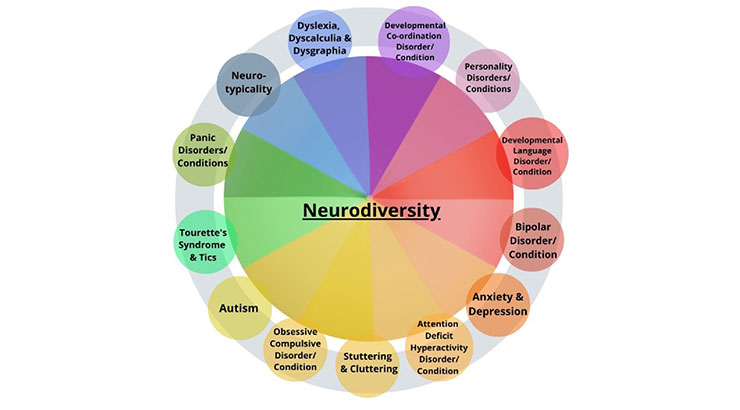
Why focus on universal design/class or space restructure and not accommodation?
94% of students with a diagnosis received academic support, accommodations, and specially designed instruction in K-12.
24% of students who received support in high school will disclose to their campus DSO to receive accommodations.
11% of all enrolled college students are estimated to identify as neurodiverse or have a neurodiverse diagnosis.
Goals of the Grant:
- Reach at least 45 faculty and staff with professional development during the five-year grant period.
- Invite at least 2 experts to campus during the five-year grant period.