






About HR
As a strategic partner with University leadership, we develop and deliver innovative, fiscally responsible human resources programs and services to support the mission of Kutztown University.
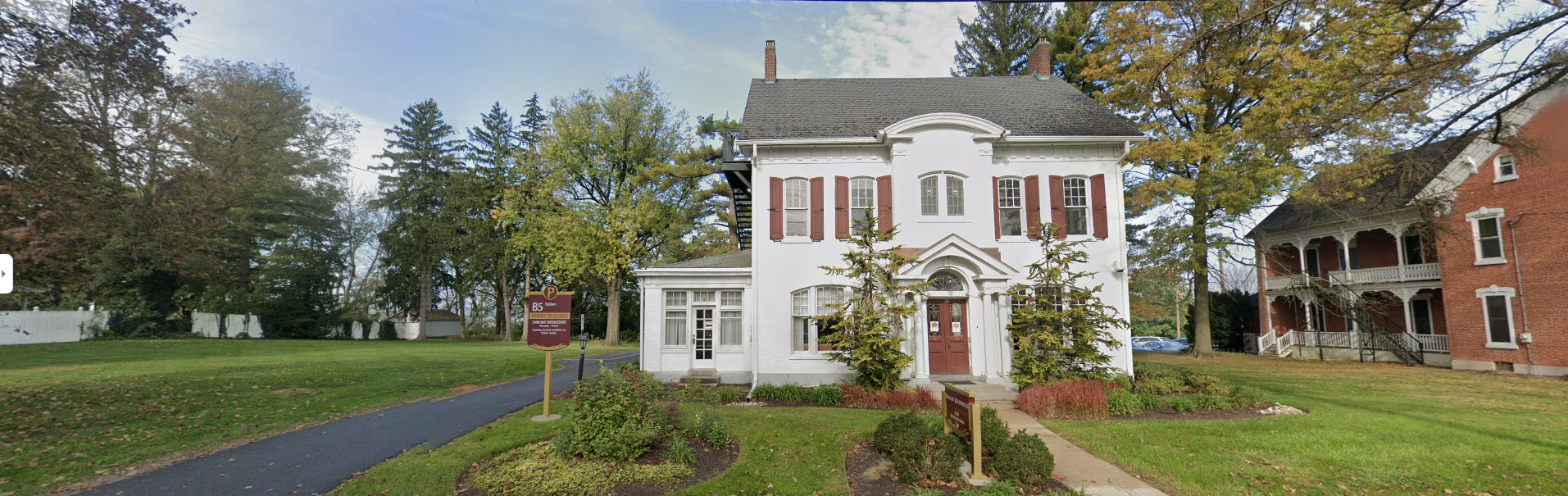
We are located at 15187 Kutztown Road, Kutztown PA 19530. Four designated visitor parking spaces are available in the parking lot behind the Human Resources Center.
Office Hours: 8 a.m. - 4:30 p.m.
Summer Hours: 8 a.m. - 4 p.m. (mid-May through end of August)
F e a t u r e d N e w s
11/20/25
Depressed and SAD Following the Holiday Season?
Once the joy and excitement of the holiday season is over, we’re left with cold weather, shorter days, and a long stretch until spring. These are all factors behind why many people experience depression and seasonal affective disorder (SAD) during this time of year.
Depression is a fairly common illness – the CDC estimates that 13.1% of adolescents and adults age 12 and older had symptoms of depression in any given 2-week period in 2023. It can affect both the young and old, all ethnic groups, genders, and professions, and can be a temporary or long-term struggle. Depression may be described as feelings of sadness, loss, tiredness, irritability, or anger that interfere with a person’s everyday activities. It can also influence relationships and some chronic health conditions.
SAD is a type of depression that can occur during the same season each year, most often affecting individuals during the winter months. Depression that is caused by SAD may be at least partly due to winter’s lack of sunlight, which could upset your biological clock, circadian rhythms, and serotonin levels, a brain chemical that affects mood. People who experience SAD feel:
• Anxious
• Extreme unhappiness
• Fatigue, even though you may be sleeping more
• A change in eating habits and weight gain or loss
• Loss of interest in activities
• Withdrawal from friends and family
Coping with Depression
There are small steps you can take to help fight depression and SAD:
• Exercise can help boost mood and possibly relieve symptoms by releasing chemicals in the body that work as mood enhancers, such as serotonin, dopamine, and endorphins.
• Setting small, attainable goals and rewarding your efforts can provide a sense of control and accomplishment. Examples of realistic goals may include taking the trash out instead of cleaning the whole house, sorting laundry instead of doing whole loads, and addressing time-sensitive mail instead of clearing out your entire inbox.
• Creating a loose but structured routine can help you feel more in control of your day and assist you in staying on top of necessary daily tasks.
If feelings of depression persist or become worse, you should seek help from a mental health professional. If you or someone you know is struggling or in crisis, confidential, free, 24/7/365 help is available by calling or texting 988.
For more suggestions on incorporating easy steps to gain more agency and improve your sense of wellbeing, visit liveandworkwell.com.
Live and Work Well
Check out the Live and Work Well website for more ways to boost your mental health and wellbeing all year round. You can also learn more about your SEAP benefits, locate providers in your area, and find a wealth of information and resources for navigating financial and legal matters, building better relationships, recovering from substance misuse or addiction, and much more.
Contact Information
Visit liveandworkwell.com or call 1-800-692-7459. The services available through SEAP are a free benefit of working for the Commonwealth.
RETIREMENT COUNSELING
Appointments can be scheduled by phone or online - new appointments are added on an ongoing basis
SEAP
Information about the State Employee Assistance Program (SEAP)