





Social Work in the Global Environment

The 14th Annual Conference on Social Work in the Global Environment 

Aging Across Cultures and Communities: Local and Global Trends and Innovations

Date: Friday, November 7, 2025

Time: 9:00am-3:00pm

Format: Virtual

Global Conference Owl logo

The aim of the Social Work in the Global Environment Conference is to contribute to the local-global perspectives in social work, utilizing the strategy: thinking globally and acting locally.

The theme for the 2025 event is Aging Across Cultures and Communities: Local and Global Trends and Innovations. This year’s conference focuses on global aging trends. Presenters will provide an overview of aging trends and innovations across cultures and communities. Presentations will include topics related to sexual minorities, mental health services in rural Pennsylvania, supporting elders with dementia, technology, and looking at aging supports across cultures. The impact of such challenges and opportunities will be discussed.   

      PRESENTATIONs and presenter INFORMATION
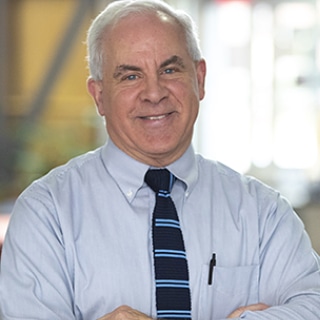
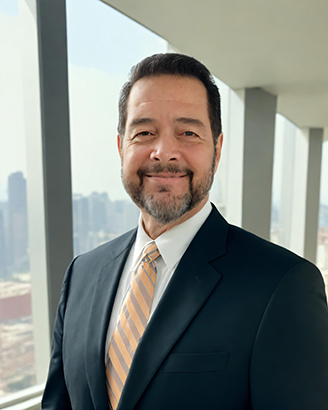
      Image of Diane Martin

      Diane Blazejewski Martin, Ph.D., MA, MSL

      A World Growing Older: Global and National Perspectives on Population

      Diane Blazejewski Martin, Ph.D., MA, MSL, Associate Professor at University of Maryland, Director of Geriatrics and Gerontology Education and Research Program

      • Presentation Description

        Drawing on experiences in Japan, Finland, and the United States, this session examines how global demographic shifts are transforming aging policy, practice, and workforce needs. Participants will explore how cultural values and policy frameworks influence approaches to aging, caregiving, and community support. Emphasizing interprofessional education, the session highlights collaborative strategies that prepare a workforce centered on aging and older adults to design person-centered and age-inclusive systems of care in diverse global and national contexts.

      • Presenter Biography

        Diane Blazejewski Martin, Ph.D., MSL, MA, is an Associate Professor in the School of Graduate Studies at the University of Maryland, Baltimore, and Director of UMB’s Geriatrics and Gerontology Education and Research (GGEAR) Program. An applied gerontologist and scholar-practitioner with nearly 20 years of experience, she advances workforce development and promotes the well-being of older adults through education, research, and community partnerships. As GGEAR Director, Dr. Martin leads statewide interprofessional initiatives that prepare students and professionals to address the complex needs of aging populations. She has taught graduate courses and developed educational collaborations in Japan and Finland, exploring comparative models of aging, caregiving, policy, and community support. Her work focuses on cognitive health, mental well-being, social determinants of health, and person-centered, culturally responsive care. Dr. Martin is active in state, national, and international organizations advancing research, education, and workforce development across the aging services continuum.

      Image of Ann Rivers

      Ann Rivers, DSW

      Alzheimer’s Dementia and the Evolving Landscape of Caregiving

      Ann Rivers, DSW, Medical Social Worker at Tandigm Health

      • Presentation Description

        This presentation will discuss the prevalence and impact of Alzheimer’s dementia as the population ages and the need for caregiving increases. The Alzheimer’s pandemic is considered one of the most significant health, social & economic crises of this generation. However, its effect resonates on a micro, mezzo & macro level affecting individuals, families, & communities as well as globally.

        We are at an inflection point for care in our nation & worldwide as policymakers, healthcare leaders & employers wrestle with the growing demand for care & the ramifications of that care across societies. Our healthcare system is at a crossroads, undergoing a demographic and health transformation. There is a growing shift in how we view primary care’s involvement as the population ages and the number of people living with dementia increases. Alzheimer caregivers are identified as a vulnerable and underserved population, especially those from different ethnic and gender groups who face greater disparities and inequities. This discussion highlights the challenges of caregiving, current health and social trends as well as future directions of this phenomenon.

        Emphasis is placed on the critical role social workers play in engaging, enabling and empowering this vulnerable & underserved population of caregivers. Only by recognizing the full scope of care challenges along the disease trajectory, can we act responsibly to meet caregivers where they are at, help to improve their quality of life & support their relationship with their healthcare providers.

      • Presenter Biography

        Dr. Ann Rivers earned her doctorate in social work in Spring of 2024 from Kutztown University. Her dissertation centered around Alzheimer’s dementia, highlighting Alzheimer caregivers as a vulnerable and underserved population. She has two Masters degrees from New York University in Community Psychology and in Social Work, and attained her clinical social work licensure.

        Dr. Rivers has over thirty years of experience in mental health and healthcare. She has worked in a clinical capacity as well as in leadership, serving as director for an early intervention program and for a national healthcare agency where she lead over 150+ employees. Dr. Rivers has worked with all populations; from early intervention and special education, outpatient mental health, inpatient case management, behavioral health, home health, dialysis, hospice, and she served as an ER case manager for a Level II Trauma Center. While living in New York, she was also engaged in a clinical private practice for several years.

        Currently, Dr. Rivers is employed as a medical social worker, providing support and case management services to medically complex adult and geriatric patients. She identified a gap in care while working in primary care and developed an information and resource toolkit specifically for Alzheimer caregivers, providing education, concrete tools, and coping strategies to guide them in their caregiving journey. Dr. Rivers brings a great deal of experience and knowledge which she is eager to share today.

      Image of Jessica Jones

      Jessica Jones, BSW

      The Evolving Landscape of Aging

      Jessica Jones, BSW, Area Agency on Aging Director

      • Presentation Description

        In the past decade, the landscape of aging has transformed dramatically, revealing new dimensions of care and support for older adults. This session will delve into the shifting landscape of their needs, alongside the experiences of their caregivers, shedding light on the often-overlooked trends in elder abuse. We will place a particular focus on the pivotal role played by Area Agencies on Aging, uncovering how these organizations make a meaningful impact in local communities. Join us as we navigate these pressing issues and explore innovative solutions designed to enhance the quality of life for our aging population.

      • Presenter Biography

        Jessica has been leading the Berks County Area Agency on Aging as Director since December 2020. Previously she served as Deputy Director for over 6 years. In these roles her responsibilities include the oversight and the planning, delivery and monitoring of approximately 9.7 million dollars of public funds serving the aging service needs of approximately 75,000 county residents.

        Jessica’s passion and much of her career focus has been the investigation of elder abuse in all care settings to protect our most fragile community members. Her vast experience includes nursing facilities, in-home long-term care supports & services, care management and supervision. Jessica also has numerous years of experience in guardianship coordination.

        As Director, Jessica has focused on the Agency’s mission to serve the older adults of Berks County always seeking to improve the agency’s coordination of services.

        Due to her vast knowledge of aging services Jessica is often requested for speaking engagements and training.

        Jessica received her bachelor’s in social work at Kutztown University. With over 20 years of experience in Older Adult Protective Services she maintains her certification in Protective Services and actively assists in continual development of the statewide program through the Aging Network in Pennsylvania.

      Image of Laura Dimino

      Laura R. Dimino, Ph.D.

      Image of Kaitlyn Goode

      Kaitlyn Goode

      Aging by the Numbers in Pennsylvania

      Laura R. Dimino, Ph.D., Interim Executive Director, Center for Rural Pennsylvania

      Kaitlyn Goode, Data Visualization Specialist, Center for Rural Pennsylvania

      • Presentation Description

        The 2020 Census age cohort data show that Pennsylvania’s population is aging, with rural areas experiencing this shift more rapidly than urban ones, a pattern that has persisted for more than three decades. Since 1990, the median age in rural and urban areas has steadily increased, reshaping community and economic dynamics across the Commonwealth. To better understand these trends, The Center for Rural Pennsylvania examined historic age cohort data and found that 24 of the state’s 67 counties now have more senior citizens (age 65 and older) than youth (under age 20). Rural Pennsylvania also has a higher age dependency ratio, a measure of economic dependency, than urban Pennsylvania. These demographic changes have wide-ranging implications for education, the workforce, housing, families, health care, local government finances, and more. This presentation will compare aging trends in rural and urban Pennsylvania and discuss what they may mean for the state’s future.

      • Presenter Biographies

        Dr. Laura R. Dimino is Interim Executive Director at the Center for Rural Pennsylvania. Previously, she served as Assistant Director since 2022; her responsibilities have included oversight of the faculty and student research grant programs. She is a member of the Advisory Board for the Mid-Atlantic Telehealth Resource Center (MATRC), a member of the National Rural Health Association, represents the Center at the Pennsylvania Department of Environmental Protection Public Water System Technical Assistance Center (TAC) Board meetings, and has served as a member or designee on the Pennsylvania Broadband Development Authority (PBDA) Board of Directors since 2023.

        Laura has a Master’s degree and Ph.D. in political science from the University of Rochester; she grew up in Massachusetts, where she completed her undergraduate work at Clark University. Early in her career, teaching and research interests included democratic theory, American politics, state and local politics, elections, and communication and gender. She previously served as a public affairs program analyst at the Pennsylvania Higher Education Assistant Agency (PHEAA) within the state grant and special programs division. She has held several administrative roles in higher education, most recently serving as the associate provost at Central Penn College, a role in which she oversaw assessment, accreditation, mandatory reporting, and compliance.  


        Kaitlyn Goode is the Center for Rural Pennsylvania’s Data Visualization Specialist. She joined the Center in 2024 and provides data and analysis on rural policy issues, contributes to the Center’s bimonthly newsletter and statewide publications, and maintains and expands the Center’s rural database and dashboards. She also enjoys traveling and presenting on behalf of the Center, sharing data and insights with communities and organizations across Pennsylvania.

        Born and raised in a small town in rural northwestern Pennsylvania, Kaitlyn is proud to support rural communities throughout the Commonwealth. Before joining the Center, she worked as a STEM Educator for the Community Education Center of Elk and Cameron Counties and as an Independent GIS Consultant.

        Kaitlyn holds bachelor’s degrees in Meteorology and Environmental Hazards/Emergency Management from Millersville University of Pennsylvania, and a master’s degree in Geographic Information Systems from The Pennsylvania State University.

      Image of Alisa Grigorovich

      Alisa Grigorovich, Ph.D.

      The Ethics of Using Location Tracking Technology in Dementia Care

      Alisa Grigorovich, Ph.D., Associate Professor at Brock University

      • Presentation Description

        Real-time location systems (RTLS) are increasingly being developed and implemented in a variety of health care settings to remotely monitor and track older adults living with dementia. The limited available research in this area suggests that these technologies can have significant ethical implications. In this presentation, I will share findings from a recent project that explored the experiences and perceptions of this technology by older adults (residents), care partners, and organizational decision-makers (direct care workers, administrators) in one long-term care home in Ontario, Canada.

      • Presenter Biography

        Alisa Grigorovich is an Associate Professor in the Department of Recreation and Leisure Studies. Her research program focuses on the interrelationship of leisure, aging and wellbeing, with particular attention to uncovering how inequality and social exclusion is perpetuated and maintained. A core aspect of her scholarship involves translation of research findings into arts-based and digital knowledge innovations to advance social inclusion of older adults and carers from historically excluded and marginalized groups.

        She is currently engaged in interdisciplinary and community-oriented research in two areas:

        1) Technology to enhance wellbeing and quality of care

        2) Leisure for human flourishing in dementia care

      Image of Maria Chiara Briani

      Maria Chiara Briani

      Active Aging and Social Services in the Emilia-Romagna Region (Italy)

      Maria Chiara Briani, Master of Planning & Management in Social Services, Head of Elderly Services

      • Presentation Description

        Against the backdrop of a significant demographic decline and the growing need to ensure the well-being of older adults in a sustainable way, Italy has increasingly recognized the importance of preventing chronic conditions and promoting active aging.

        In recent years, national legislation has, for the first time, placed strong emphasis on these goals, marking an important cultural and policy shift in the country’s approach to aging.

        This presentation focuses on how the Emilia-Romagna region of Italy — known for its advanced welfare system and strong community networks — organizes and delivers social services for older adults. It also examines how the region has been proactively addressing the challenges of aging well before the full implementation of national framework policies, which are still under development.

      • Presenter Biography

        Maria Chiara Briani has worked as a social worker since 1995, specializing in elderly care since 2002. Maria is currently the Head of Elderly Services for the municipality of San Lazzaro di Savena. Here, she plans and designs social services for older adults, completes technical and administrative procedures, and coordinates the working group including teams of social workers and social-healthcare assistants. Maria served as the president of Emilia-Romagna Order of Social Workers in Bologna, Italy from June of 2021 through June of 2025. Prior to her presidency, Maria worked at the organization as a counselor and secretary. From 2014 through 2017, Maria served as a member of the Territorial Disciplinary Council as the Section A Board Secretary. Maria earned a diploma in Social Services from the University of Florence, Italy, then pursued a master’s degree in Planning and Management in Social Services from the University of Parma, Italy.

      PRIOR YEAR CONFERENCE SUMMARIES